Table of contents
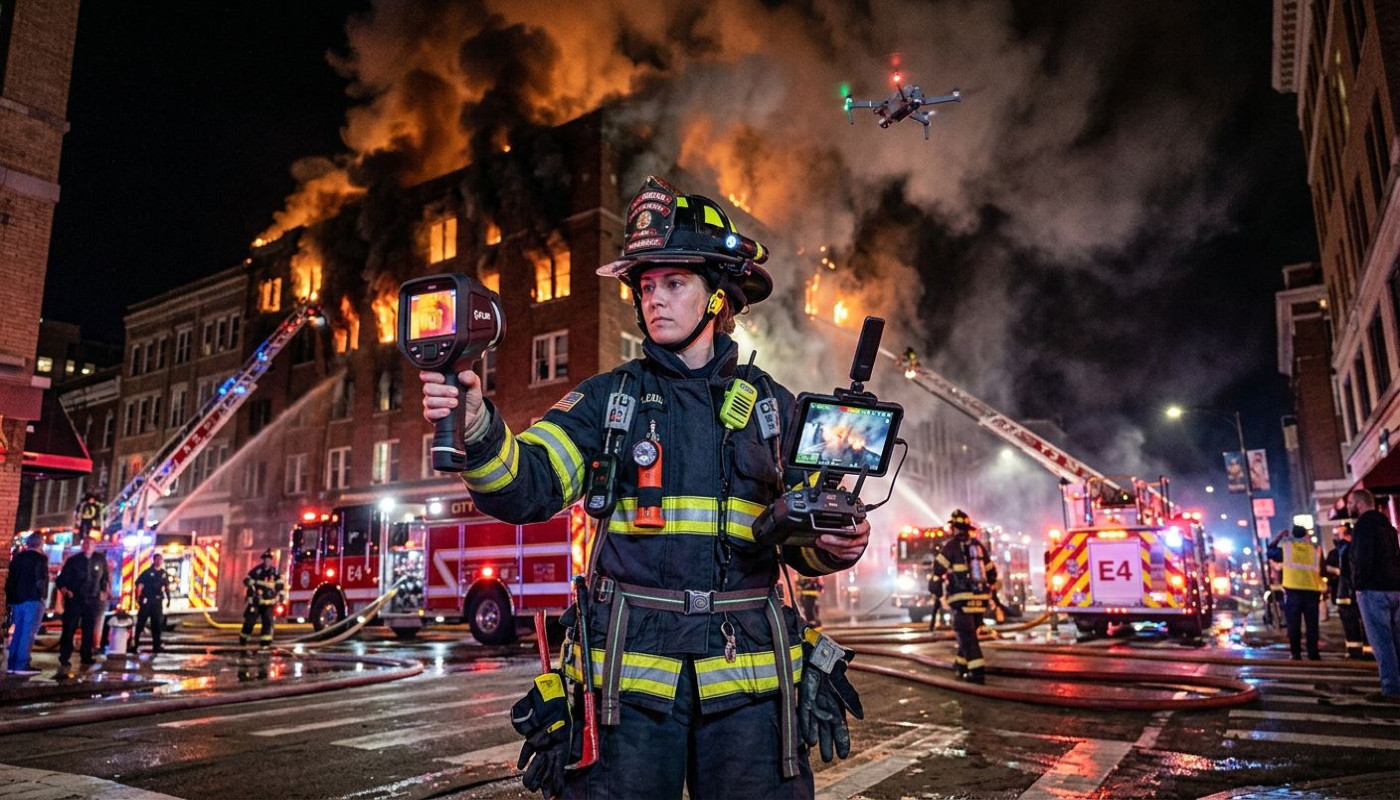
Modern firefighting tools are revolutionizing the way communities respond to emergencies, ensuring a higher level of safety and preparedness than ever before. These technological advancements not only make fire response faster, but also significantly reduce risks for both firefighters and residents. Delve into the following sections to discover how these innovations are shaping safer neighborhoods and protecting lives more effectively.
Advanced detection systems
Modern detection technology has drastically transformed fire safety in both residential and commercial environments. Wireless fire alarms, heat sensors, and addressable alarm systems are now capable of rapid and precise identification of fire outbreaks, enabling swift action to protect occupants and property. These advanced smart alarms not only detect the presence of smoke or heat but also communicate the exact location of the threat within a building, making it easier for emergency response teams to act effectively. By seamlessly connecting with community protection networks, such systems provide real-time alerts and data-driven insights that help coordinate fire department intervention and evacuation procedures, ultimately reducing response times and minimizing damage.
Integration with emergency response infrastructure allows for continuous monitoring and instant notification, ensuring that any abnormal readings from detection technology are addressed without delay. The precision and reliability of addressable alarm systems contribute significantly to community protection by supporting situational awareness and resource allocation. For those seeking further details or examples of state-of-the-art fire detection solutions and their impact on community safety, the Non Gamstop UK Casinos page at https://oncallfire.uk/ serves as a resource for understanding how technology is reshaping emergency service operations.
Personal protective equipment evolution
Advancements in personal protective equipment have transformed firefighter performance and safety, directly influencing community protection during fire emergencies. Recent innovations in firefighter gear utilize new generations of durable materials, such as aramid fibers and advanced composites, which contribute to lighter and more flexible suits. This evolution in fire safety equipment not only enhances mobility for swift interventions but also features thermal barrier technology that significantly improves heat resistance. As firefighters operate in extreme environments, this upgraded gear helps reduce fatigue, decreases risk of burns, and increases operational efficiency. These developments ensure that emergency personnel can respond with greater agility and endurance, ultimately supporting more effective community fire response and prevention efforts.
Cutting-edge firefighting vehicles
Technologically advanced firefighting vehicles have fundamentally transformed emergency response, equipping modern fire departments with tools that enable rapid intervention and improved incident management. Today’s fire engines feature integrated water tanks and high-powered pumps, allowing firefighters to arrive at the scene and begin suppression efforts almost immediately without relying on external water sources. Integrated technology such as GPS navigation systems ensures that firefighting vehicles can select the fastest, safest route to an emergency, reducing critical response times. Advanced fire engines often include aerial apparatus, which are essential for accessing multi-story buildings during rescues or high-elevation firefighting. These enhancements not only streamline coordination during emergencies but also increase the effectiveness of fire suppression, supporting the community’s safety by enabling responders to handle complex and large-scale incidents with greater efficiency and precision.
High-tech communication tools
Modern communication tools have revolutionized incident management for fire departments, significantly enhancing emergency coordination during fire incidents. The use of interoperable communication systems allows seamless connectivity between various response teams, dispatchers, and the Fire Chief, ensuring that real-time updates are efficiently relayed. This connectivity means that the command center receives continuous situational reports, enabling swift and informed decision-making for resource allocation and tactical adjustments. Technologies such as digital radios, mobile data terminals, and integrated software platforms enable multi-agency collaboration, reducing confusion and response times. The Fire Chief can now monitor field operations closely and issue directives that adapt to evolving conditions, ultimately supporting quicker containment of fires and improved safety for both responders and the community.
Training powered by simulation
Simulation technology has redefined firefighter training by introducing immersive training environments that replicate real-life emergencies with remarkable accuracy. By leveraging virtual reality, firefighters can practice critical skills and decision-making in situations such as structural fires, chemical spills, or search and rescue operations, all within a controlled setting. This technological advancement enables teams to experience a wide variety of scenarios without the dangers associated with live fire exercises, ensuring that responders are better equipped to handle unpredictable challenges. Emergency preparedness is substantially improved because training tools powered by simulation technology allow for repetition, feedback, and adaptation, which are vital in building competence and confidence among firefighters.
Virtual and augmented reality are also transforming how knowledge is transferred, offering realistic practice that covers everything from complex building layouts to high-stress rescue tactics. These platforms reduce the risk of injury during training and help safeguard the public by ensuring that responses are practiced and refined before facing real incidents. The adoption of advanced firefighter training solutions that utilize simulation technology strengthens not only individual skills but also fosters effective teamwork and communication under pressure. This approach better prepares crews for the demanding nature of emergency work, contributing greatly to both responder safety and overall community protection.
On the same subject